
What Is Somatic Experiencing and How Does It Help Heal Trauma?
Did you know over half our team here at Canopy Cove Counselling have training in Somatic Experiencing® (SE™), a naturalistic, neurobiological, body-oriented approach to healing trauma by resolving the symptoms of trauma and other stress-related disorders.
Rather than having clients verbally relive traumatic events through traditional talk therapy, Somatic Experiencing® (SE™), focuses on "bottom-up" processing to help individuals tune into their bodily sensations to release trapped survival energy.
The Somatic Experiencing® (SE™), approach releases traumatic shock and restores connection, which is key to transforming PTSD and the wounds of emotional and early developmental attachment trauma. It offers a framework to assess where a person is “stuck” in the fight, flight or freeze responses and provides clinical tools to resolve these fixated physiological states.
Somatic Experiencing® (SE™), restores the authentic self with self-regulation, relaxation, wholeness, and aliveness.
Who Created Somatic Experiencing (SE)?
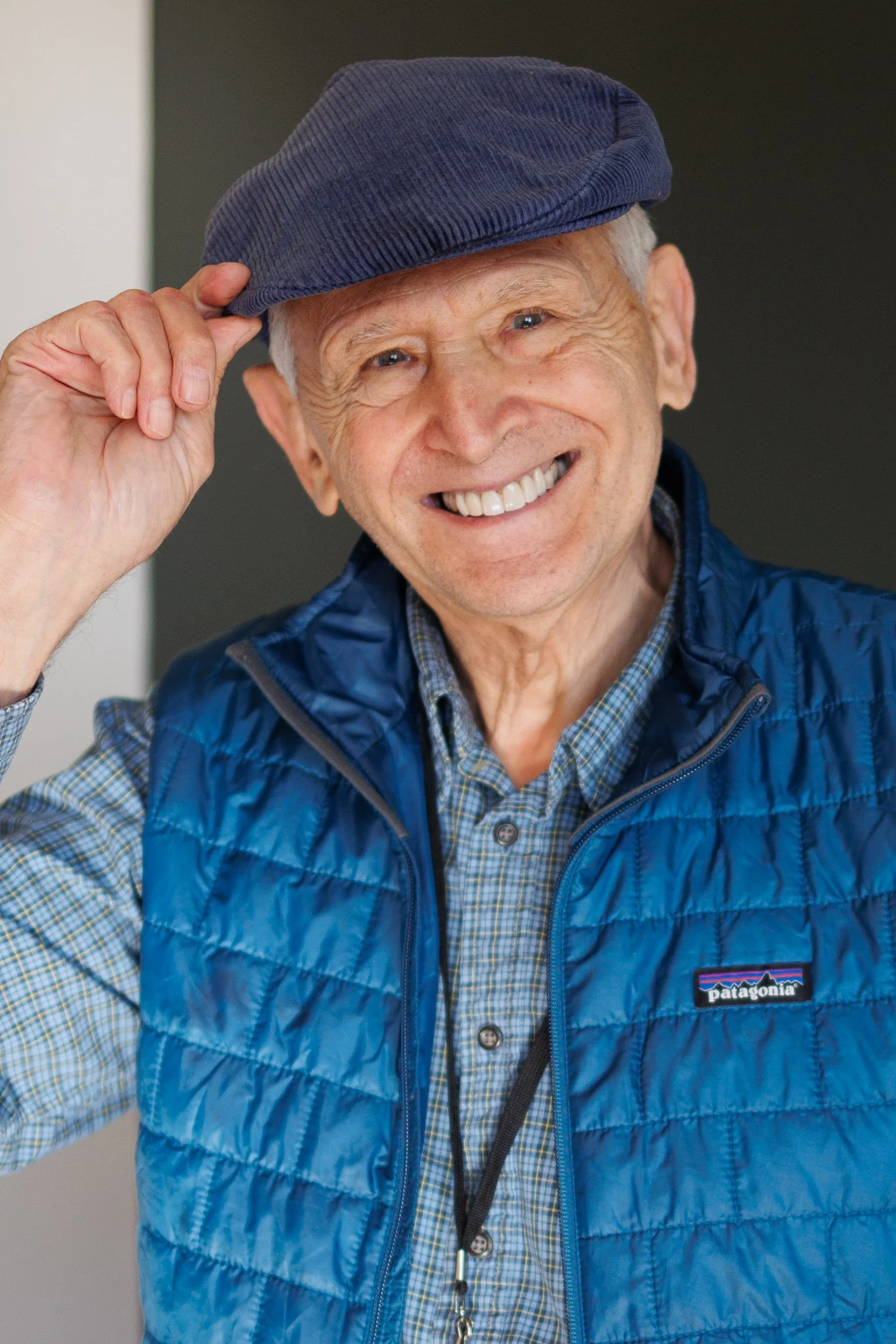
Dr. Peter Levine, Ph.D, the developer of Somatic Experiencing® (SE™). Over the past 50 years, he developed a body of work based on discovering the roots of trauma and their healing pathways. Dr. Levine, holds a doctorate in Biophysics and a doctorate in Psychology. He is the Founder and President of the Ergos Institute of Somatic Education and the Founder and Advisor for Somatic Experiencing International, where his work has been taught to over 30,000 healers in over 42 countries. He has written seversl influential books on trauma, including: Waking the Tiger, In an Unspoken Voice, or Trauma and Memory.
“Trauma is perhaps the most avoided, ignored, belittled, denied, misunderstood, and untreated cause of human suffering.”
— Dr. Peter A Levine, PhD
Why Was Somatic Experiencing (SE) Created?
In his most recent book Autobiography of Trauma, Dr. Peter Levine describes how his traumatic childhood experiences impacted him into adulthood and how he worked through deeply embedded nervous-system responses and emotional wounds. He wrote, “I was guided by my own compelling need to heal. I guess you could say that much of my research was “me-search.”
“Trauma is a fact of life. It does not have to be a life sentence.”
— Dr. Peter A Levine, PhD
The Science of Somatic Experiencing (SE)
Trauma can arise either from acute stress triggered by a perceived threat to life or from the cumulative effects of prolonged stress over time. In both cases, it can significantly diminish a person’s capacity to function with resilience, adaptability, and a sense of presence in everyday life.
Trauma may stem from a wide range of experiences, including accidents, invasive medical procedures, sexual or physical violence, emotional abuse, neglect, war, racial discrimination, oppression, natural disasters, grief and loss, birth-related trauma, or the ongoing strain of fear, conflict, chronic stress, and shame.
What is Somatic Experiencing (SE)?
Dr. Peter Levine’s multidsciplinary study of neurobiology, psychology, ethology, biology, stress physiology, indigenous healing practices, and over five decades of clinical work as a psychologist, led to the creation of Somatic Experiencing® (SE™), an approach designed to address the effects of overwhelm and trauma on the nervous system. Though research, Dr. Levine found:

Animals often recover from extreme threats without lasting traumatic symptoms
Somatic Experiencing® (SE™) is based on the observation that wild animals regularly encounter life-threatening situations yet rarely exhibit lasting trauma symptoms. Dr. Levine was interested in a question that traditional psychology at the time did not fully explain: Why do humans unlike animals, remain stuck in the effects of trauma long after a threatening event is over?
While studying animal behaviour Dr. Levine noticed that wild animals regularly face life-threatening situations but generally do not appear to develop chronic traumatic symptoms. He observed that animals often discharge intense survival energy through shaking, trembling, and other bodily processes after danger passes.
Humans, however, often suppress this physical release when traumatized, causing the nervous system to get stuck in survival responses. Therefore, humans are more susceptible to becoming overwhelmed by stressful experiences, which can result in persistent patterns of hyperarousal, shutdown, and nervous system dysregulation.
Levine identified the freeze response as a key factor in understanding trauma. When neither fighting nor fleeing is possible, both animals and humans may enter a state of immobility or collapse, a survival strategy often described as “playing dead.” This response helps protect the organism during overwhelming situations.
In healthy recovery, the freeze response is temporary. As the threat passes, the body naturally releases the intense survival energy that was mobilized for fight or flight, often through involuntary trembling, shaking, or other physiological processes. These responses help the nervous system return to a state of balance.
When this process is interrupted or incomplete, the survival energy may remain held within the body and nervous system. As a result, the body can continue to respond as though danger is still present, contributing to symptoms such as anxiety, hypervigilance, dysregulation, or dissociation.
Somatic Experiencing® (SE™) is designed to support the completion of these natural recovery processes. By helping the nervous system gradually release stored survival energy and resolve unresolved defensive responses, Somatic Experiencing® (SE™) promotes greater regulation, resilience, and a renewed sense of safety.
“Animals do not view freezing as a sign of inadequacy or weakness, nor should we.”
— Dr. Peter A Levine, PhD
Trauma seemed to involve the nervous system, not just memories
Dr. Levine came to believe that trauma is not simply the result of a frightening event or a painful memory. He believes that the traumatic event isn’t what causes long-lasting trauma, it is the overwhelming trapped response to the perceived life-threat that is causing an imbalanced nervous system. He proposed that trauma occurs when the body's natural fight, flight, or freeze responses are overwhelmed and remain incomplete or dysregulated.
“When a person is exposed to overwhelming stress, threat or injury, they develop a procedural memory. Trauma occurs when these implicit procedures are not neutralized. The failure to restore homeostasis is at the basis for the maladaptive and debilitating symptoms of trauma.”
— Dr. Peter A Levine, PhD
Somatic Experiencing’s aim is to help one access the body memory (procedural memory) of the event, not the story. It is not necessary to share the details of your trauma history to do Somatic Experiencing® (SE™). The objective is to diffuse the power of the narrative and remap the body memory to regain aliveness and flow. The goal of therapy is not re-live, renegotiate.
“You don’t have to know the facts of your story to be able to reprogram the symptoms or the outcomes.”
— Dr. Peter A Levine, PhD
Bodily sensations are important to heal traumatic stress
Through his research and clinical work as a psychologist, he found that paying attention to physical sensations, autonomic nervous system responses, and gradual bodily awareness could help people process traumatic stress.
This led him to develop methods that focus on tracking sensations and carefully releasing survival responses rather than relying solely on talking about traumatic experiences.
Dr. Peter Levine, created Somatic Experiencing® (SE™), a framework to help people renegotiate traumatic responses without becoming overwhelmed by revisiting the trauma.
A core concept of Somatic Experiencing® (SE™) is that trauma is stored as dysregulated nervous system activity rather than as an event itself, and healing involves helping the body complete interrupted defensive responses in a safe, gradual way.
“The body has been designed to renew itself through continuous self-correction. These same principles also apply to the healing of psyche, spirit, and soul.”
— Dr. Peter A Levine, PhD
What to Expect in a Somatic Experiencing (SE) Session
Human beings possess an innate capacity to heal and recover from the effects of trauma. A Somatic Experiencing® (SE™) session will support this natural process by helping individuals to complete self-protective responses that may have been interrupted during overwhelming experiences and release survival energy held within the body and nervous system. By addressing these underlying physiological patterns, Somatic Experiencing® (SE™) sessions work at the root of trauma symptoms. The process involves gently guiding clients to build awareness of bodily sensations and emotions, gradually increasing their ability to tolerate discomfort, regulate their nervous system, and strengthen resilience and self-containment.

Titration
A core principle of Somatic Experiencing® (SE™) is titration, slowly and safely introducing small doses of traumatic material or physical discomfort so the client does not become overwhelmed. Rather than revisiting overwhelming experiences all at once, the process unfolds slowly and gently, taking time to allow the nervous system to integrate change at a pace that feels safe and sustainable.
Somatic Experiencing® (SE™) works with the body's natural rhythms and sensations, helping clients notice and move between experiences such as contraction and expansion, activation and relaxation, discomfort and ease. By staying within a manageable range of experience, individuals can process stress without becoming overwhelmed.
Over time, this gentle, rhythmic approach strengthens the nervous system’s capacity for regulation and resilience. It supports a greater ability to remain present, respond effectively to life's challenges, and experience a deeper sense of balance and well-being.
“Taking time is very important—as body time is much slower than cognitive time or emotional time.”
— Dr. Peter A Levine, PhD
Bottom-Up Processing
A THERAPEUTIC PROCESSING APPROACH THAT DIFFERS FROM THE MORE TRADITIONAL TOP DOWN, TALK THERAPY.
Like other somatic approaches, Somatic Experiencing® (SE™) is a body first approach to dealing with the problematic (and oftentimes physical) symptoms of trauma. Rather than focusing primarily on analyzing memories or changing beliefs, Somatic Experiencing® (SE™) helps individuals create new experiences in their bodies; ones that contradict those of tension and overwhelming helplessness.
This means that healing isn’t about reclaiming memories or changing our thoughts and beliefs about how we feel, it’s about exploring the sensations that lie underneath our feelings and beliefs, as well as our habitual behaviour patterns. Through this process, clients can begin to experience toward greater regulation, safety, and ease. By working with the body's innate capacity for healing, Somatic Experiencing® (SE™) supports lasting change at a deeper, more foundational level, influencing emotions, thoughts, and behaviors from the inside out.
Pendulation
Pendulation is a term coined by Dr. Levine to describe the natural oscillation between opposing forces of contraction and expansion. The therapeutic process of gently shifting (like a pendulum) between a state of dysregulation or traumatic sensation, and a "resource" state, which is a place of safety, calmness, or positive physical sensation in the body.
Somatic Experiencing® (SE™) utilizes this philosophy to help a client experience a sense of flow. Here is a video of Dr. Levine showing an example of pendulation using a Hoberman’s Sphere.
Begin Somatic Experiencing for Trauma Therapy at Canopy Cove Counselling in Olds, Central Alberta or Online in Alberta
At Canopy Cove Counselling, many therapists on our team are either in training or certified Somatic Experiencing Practitioners (SEP), devoted to bottom-up somatic-based processing. They have backgrounds in a variety of different modalities/psychotherapies so you can find one that specializes in other treatments of interest, like EMDR,Trauma Yoga, Sand Tray, DBT, CBT, ART, Expressive Arts, Emotionally Focused Therapy, to name a few. Our therapists integrate Somatic Experiencing® (SE™) work into their other practices to create a well-rounded healing experience.
Remember, no two Somatic Experiencing Practitioners (SEP) therapists are the same and our nervous systems are not all the same. You can choose to experience a few and see who you resonate with the best. We offer in person sessions in Olds, Alberta and online sessions anywhere in Alberta.
Fill out this intake form today and our office manager will book a complimentary phone consultation with an Somatic Experiencing Practitioners (SEP) on our team. Working directly with your body’s physiological responses, Somatic Experiencing® (SE™), will help you restore balance, resilience, and self-regulation.
Whenever you're ready for effective care and lasting change, we're here.
See other posts about Somatic Experiencing® (SE™) and Trauma Therapy in Olds, Alberta:
Unlocking Peak Performance Part 3: Somatic Experiencing for Athletes
Overcoming Social Anxiety: Steps Toward Greater Confidence and Comfort
Unlocking Peak Performance: How Sports Therapy Can Support Athletes On and Off the Field
Understanding the Impact of Intergenerational Trauma on Family Dynamics
Trauma and the Central Nervous System: Understanding the Body’s Response to Stress
