
When Emotional Stress Shows Up in the Body: Physical Signs of Anxiety and Distress in Children
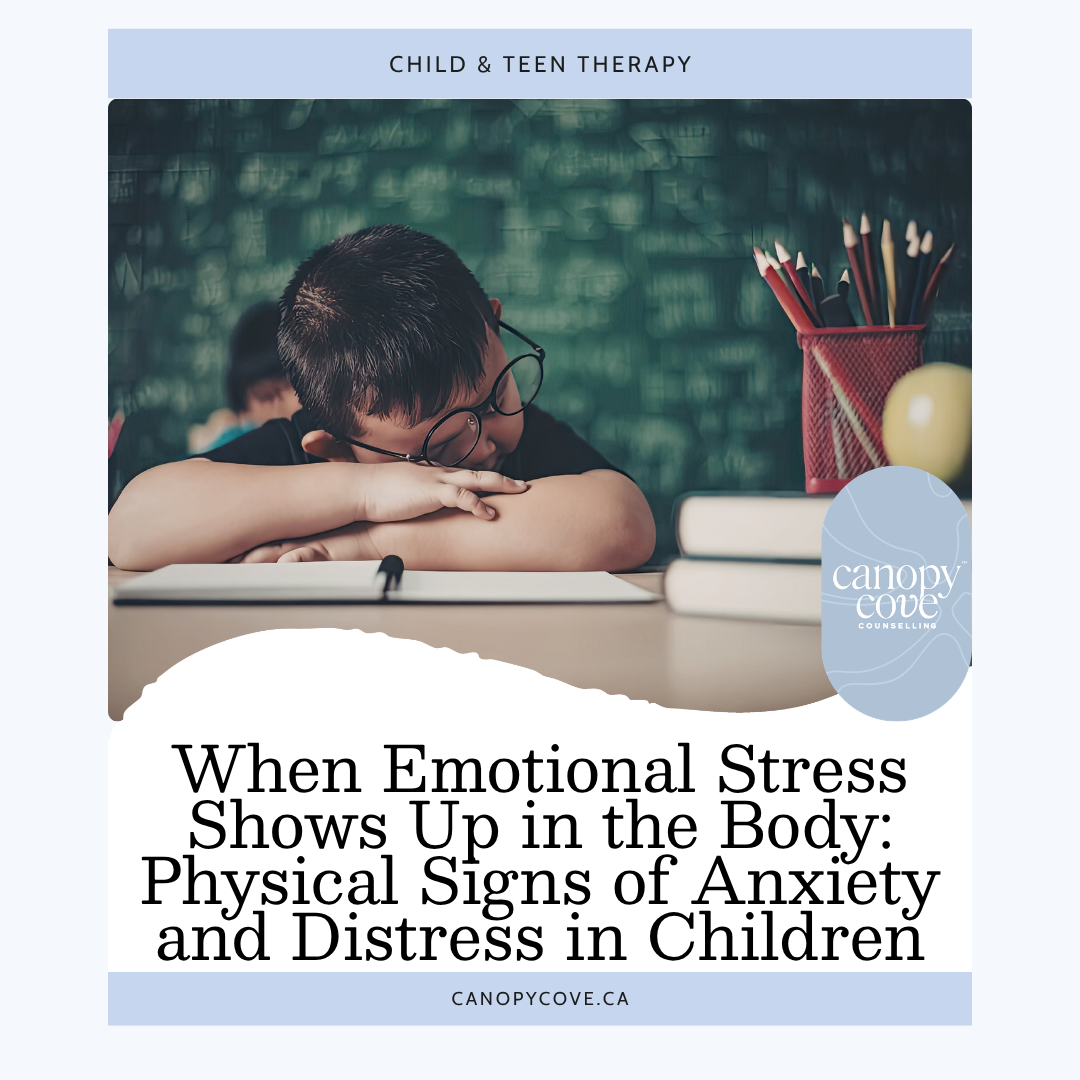
Your child comes home from school complaining that their stomach hurts. They spend the whole afternoon in bed, feeling sick. Just when you start wondering whether you should call their doctor, they start feeling better. By the evening, they seem fine.
You have a heated argument with your teen one evening. The next morning, they complain of a headache. You wonder whether they're coming down with something.
Sometimes, when children can't tell us what they're feeling, their bodies do the talking for them. Usually, they won't say, "Something is worrying me," "I feel hurt," or "I'm anxious." But they might complain of random pains and aches, even though they are generally healthy.
These physical symptoms are usually real. Your eight-year-old is not imagining a stomach ache or diarrhea. Your teen really does feel tired or have a migraine. Of course, their symptoms shouldn't automatically be assumed to be psychological. But it's worth looking for patterns and paying attention to any emotional stress in your child's life.
When Feelings Become Physical
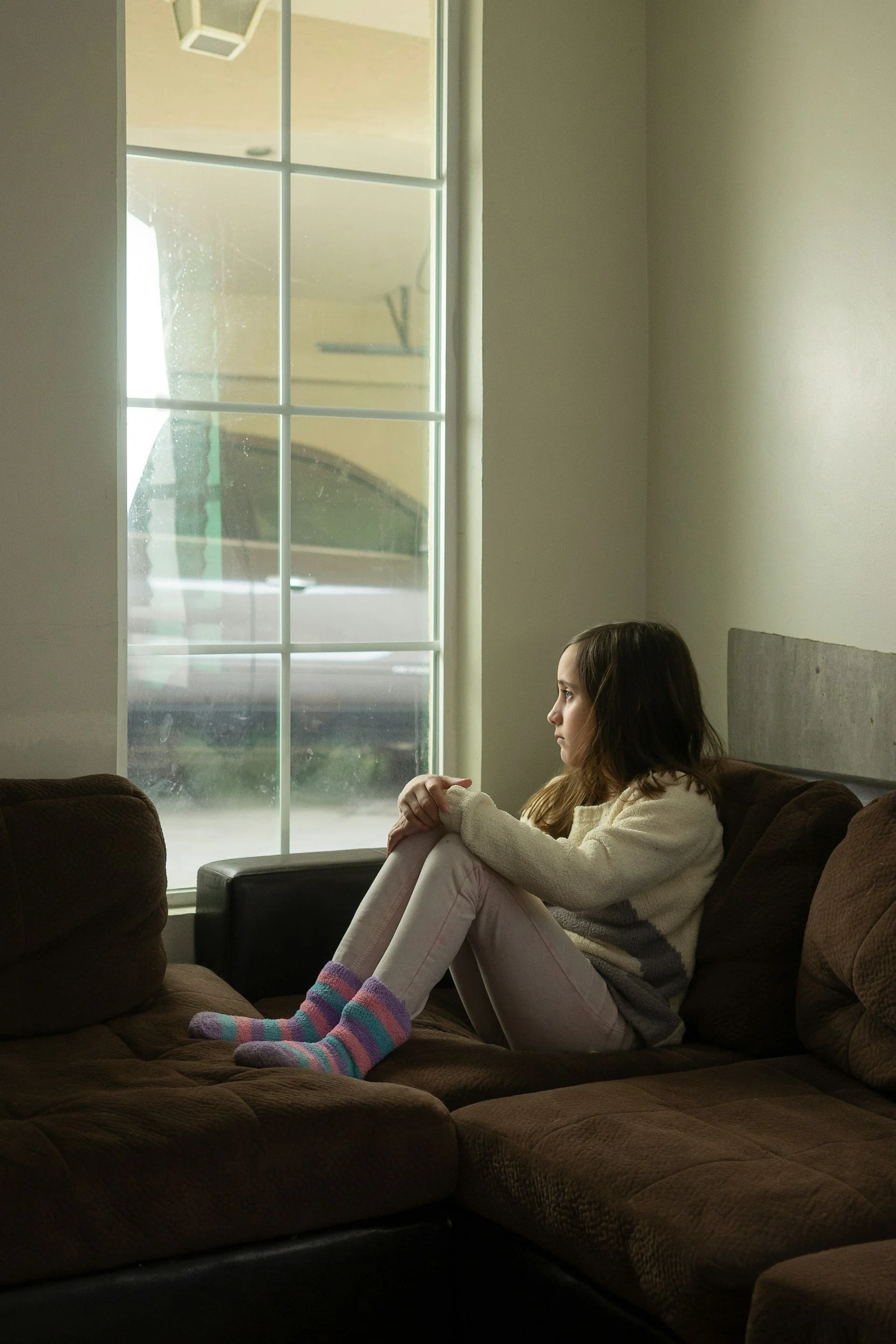
Sometimes, a child's body is able to cope with and recover from stress or trauma. And trauma can result from experiences we might consider relatively "common," such as parents' divorce, injuries, car accidents, medical procedures, illness, or grief in the family. But sometimes a child's nervous system can become overwhelmed by these experiences or prolonged stress, remaining on high alert and responding as though there is still a threat.
Fight, flight, or freeze are our body's natural survival responses, designed to protect us when we sense danger. When your child feels overwhelmed, anxious, or frightened, their muscles may tense. Their breathing and heart rate may change. Their sleep and digestion may also be affected. And they are not making it up. Their stomach really can hurt. Just as behaviour can communicate emotional distress, so can the body.
What Emotional Distress Can Look Like in the Body
Emotional stress often shows up in a child's behaviour. Meltdowns. Fears. Withdrawal. Defiance. When children are overwhelmed by emotions, they naturally cry, yell, hit, kick, tense their bodies, or curl up and withdraw. But children sometimes learn that they need to hold it in, be brave, or stop crying. In environments where they are expected to stay composed and keep it all together, as they often are at school, they may begin to push those feelings aside.
The feelings don't necessarily disappear, though. Stress can still show up in the body.
So, we may see a child who feels nauseous every Sunday evening. A child whose stomach hurts before every test. A child who complains of a headache the day before an important game or social event. Some children and teens have trouble falling asleep or staying asleep, especially before important events in their lives. Some can't eat before school. Before a game. Before a flight. Some children feel unusually tired even though they are physically healthy and have had enough sleep.
One stomachache or bout of nausea doesn't tell us much. A pattern may tell us more. If you're not sure, seek professional support. Child and teen counselling can be a safe place where you can learn to recognize symptoms and patterns, understand what may lie beneath them, and become a source of safety and support for your child as they learn to understand and manage their difficult emotions and experiences.
Get Curious About What the Body Might Be Saying
You're about to move to another city. Two weeks before the move, your fourth-grader wakes up with a terrible stomach ache and spends the next two days in bed. Then, just like that, they're fine. A few days later, the stomach ache comes back. You take them to the doctor, but everything appears to be fine physically. Finally, the doctor asks, "Has your child been under any stress lately?"
That question may make you look at stomachaches differently. You're a parent. You naturally want your child's pain to go away. You want to solve the physical problem as soon as possible. Take them to the doctor's office. Give them medicine. Lie with them while it hurts.
But you can also become curious about what was happening before the symptom appeared. Observe. Is there a pattern in your child's physical complaints? When does it happen? What happened beforehand? Is there a particular activity, place, person, or situation connected to it?
Of course, this doesn't mean you should assume that your child's stomach ache before school is "just anxiety." Physical symptoms are real, and it's important to take them seriously. If something is new, severe, keeps coming back, or simply doesn't go away, talk to your child's healthcare provider.
Helping Children Feel Safe in Their Bodies

Children may feel something in their bodies long before they become aware or have the language to identify the emotion. A younger child may say, "My tummy feels funny," rather than "I'm nervous because I'm afraid you will leave after you drop me off."
Counselling can help children begin to notice these connections without forcing them to explain feelings they don't yet understand. Somatic approaches help children gently notice what's happening in their bodies. They learn to connect these sensations with emotions and experiences. What they need most throughout this process is a calm, emotionally available parent who can help a child feel safer while experiencing uncomfortable sensations and emotions.
Not every headache means anxiety. Not every stomach ache means something is wrong at school. But when physical complaints become persistent or begin forming a pattern, pay attention rather than panic. Your child's body may be giving you information that they don't yet know how to put into words.
Child and teen therapy can help families understand the connection between emotions, experiences, behaviours, and physical sensations. And parents remain part of that process, helping their child learn: "These feelings aren't dangerous. I don't have to face them alone. I'm safe with you."
If you have any questions about starting your journey with a qualified therapist, please reach outfor a free 15-minute consultation to find out if this is the right fit for you.